

You will probably have seen our DVS photographer, Adrian Giddins, at many village and DVS events. We keep photographic records of our activities and use these to illustrate our newsletter and website. They are also added to the DVS Photo Archive which is a unique set of images, collected and managed for many years by Rob Gordon and more recently by Adrian. (Please let us know if you don’t wish any photos of yourself to be used.)
WHAT NEXT?
The DVS Committee is always on the lookout for ideas for talks, visits and events. If you have any suggestions, know of a good speaker or an interesting venue, or if you’d like us to repeat something you missed, please get in touch.
NOVEMBER 2024: DATCHET’S FIRST BLUE PLAQUE
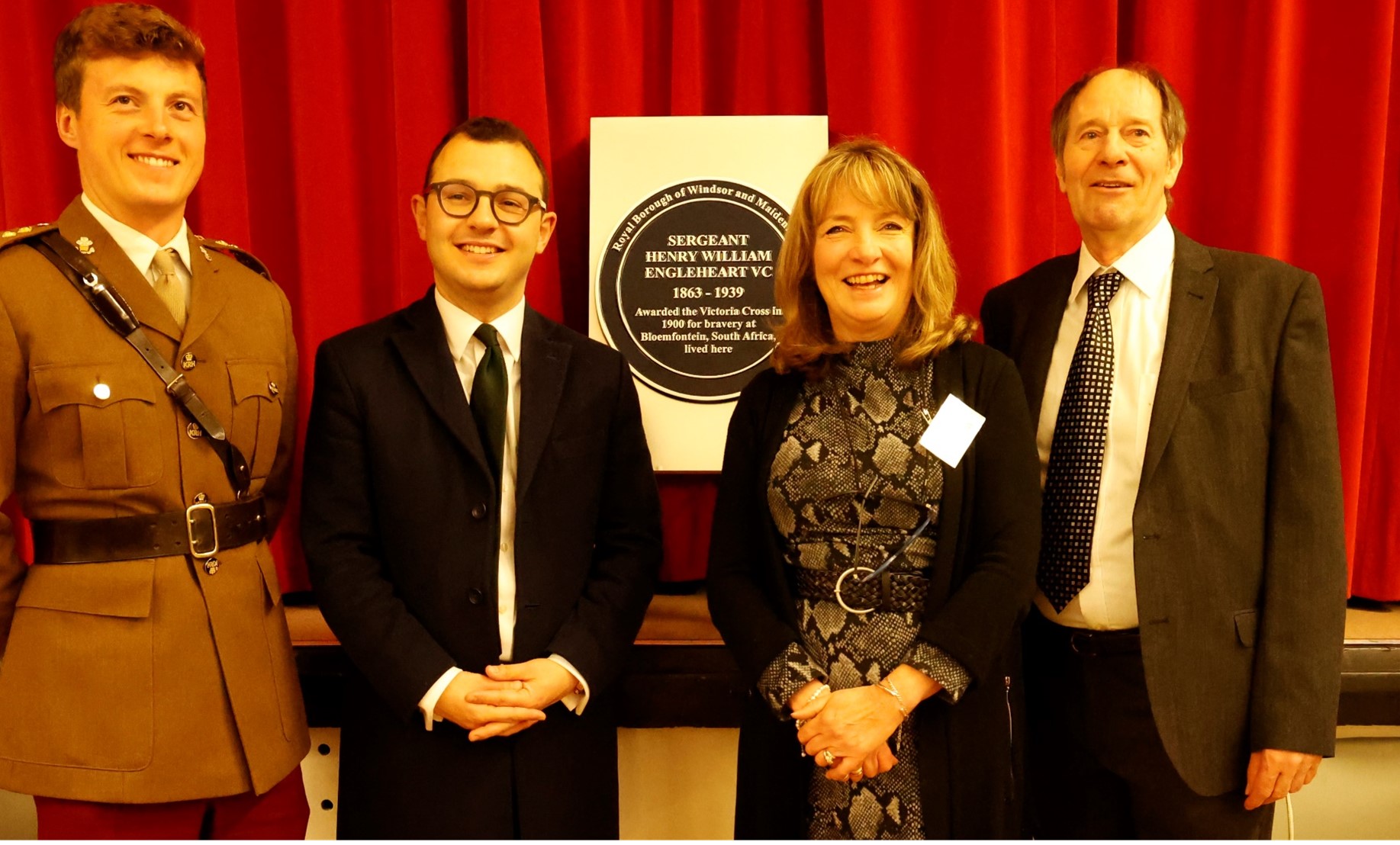
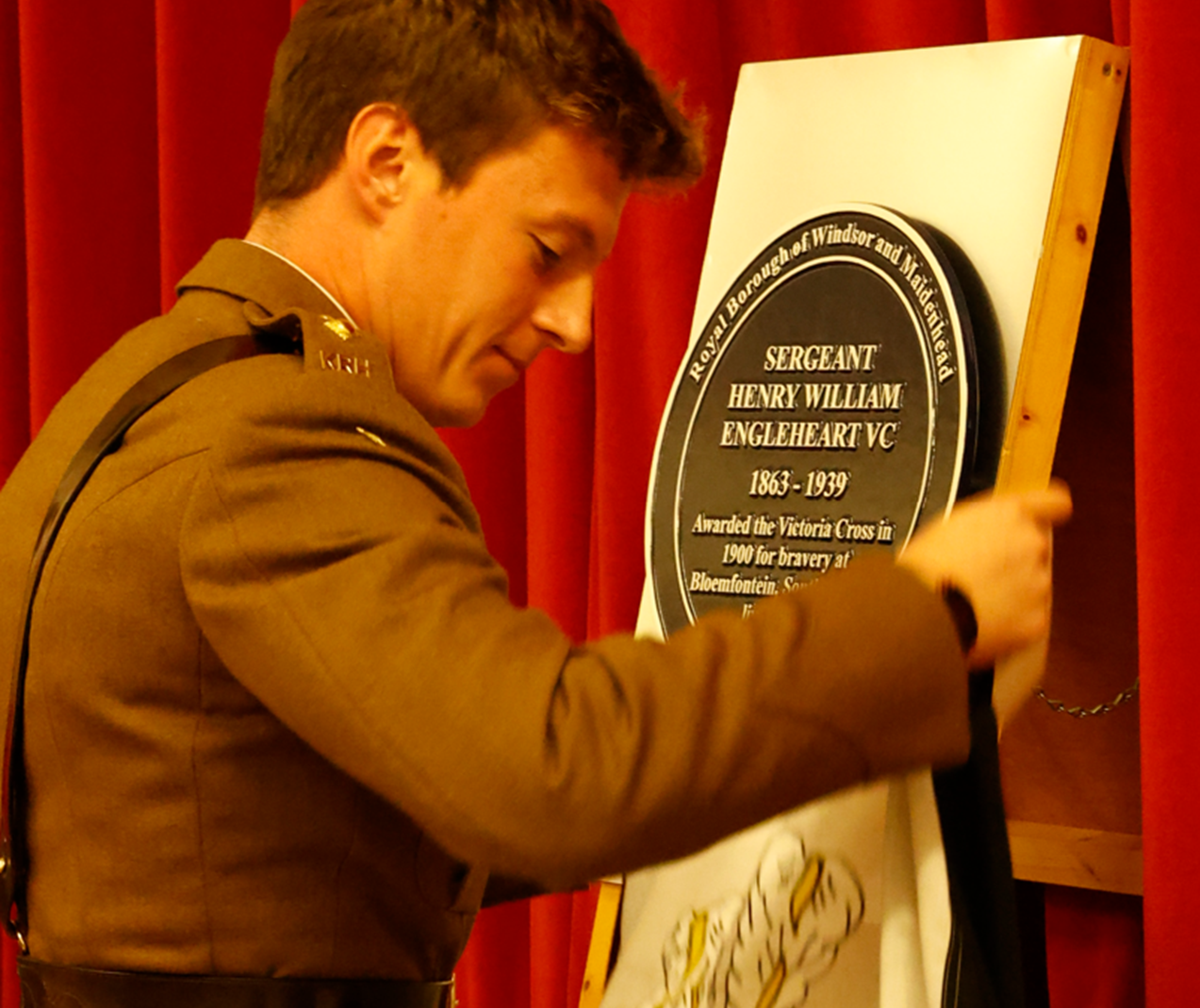
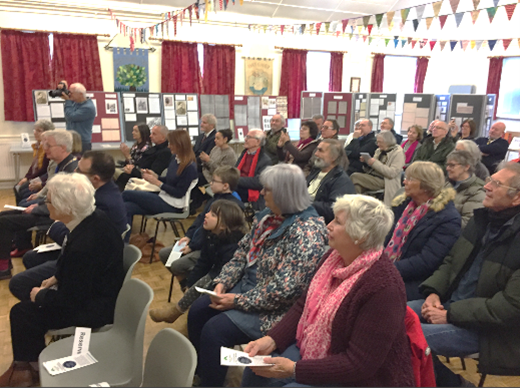
On 23 November 2024, Datchet Village Society hosted a very special event at the WI Hall to unveil Datchet’s first Blue Plaque. It commemorates the heroic actions of a former Datchet resident, Sergeant Henry William Engleheart of the 10th Royal Hussars, who was awarded the Victoria Cross in 1900 by Queen Victoria at Windsor Castle.
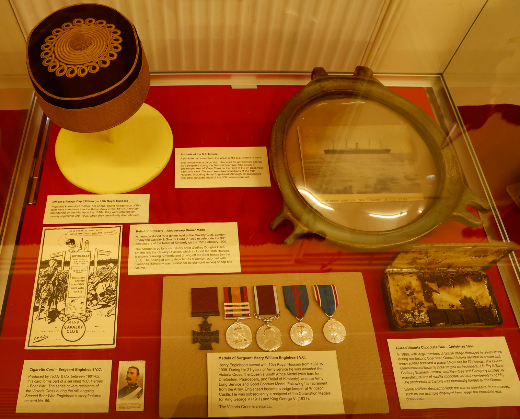
The doors were open from midday until 3pm for anyone wishing to view the DVS displays and the exhibition which Horse Power, the Museum of the King’s Royal Hussars, had created especially for this event.
We were delighted to be joined by about 50 members of the public, the Mayor of the Royal Borough, Councillor Simon Bond, local MP Jack Rankin, and Datchet’s Borough Councillors for the short unveiling ceremony which started at 12.30pm.
Alison Crampin, chair of DVS, opened proceedings by welcoming everyone and introducing the guest speakers: Captain Frederick English of the King’s Royal Hussars who read the citation and unveiled the plaque; David Buckley, chair of Datchet Parish Council, which generously funded it; and Derek Hunt, the Windsor historian who has researched all the local recipients of the Victoria Cross and who brought Sgt Engleheart to our attention. (Unfortunately, a bad cough prevented Derek from delivering his speech so we were very grateful to Barbara, Derek’s wife, who read it on his behalf.)
The exhibition created by the team from Horse Power focused on the role of the 10th Royal Hussars in the Second Boer War, accompanied by items from their collection. These included a porthole window from the S.S. Ismore (which transported the 10th to South Africa and sank near the coast at Cape Town), a chocolate box sent by Queen Victoria to the men serving in South Africa (complete with 124-year-old chocolate!) and Sgt Engleheart’s medals.
The plaque will be installed at Sgt Engleheart’s former home, Fairlight on Lawn Close, after the house has been decorated in spring.
14 NOVEMBER 2024: COMBERMERE BARRACKS
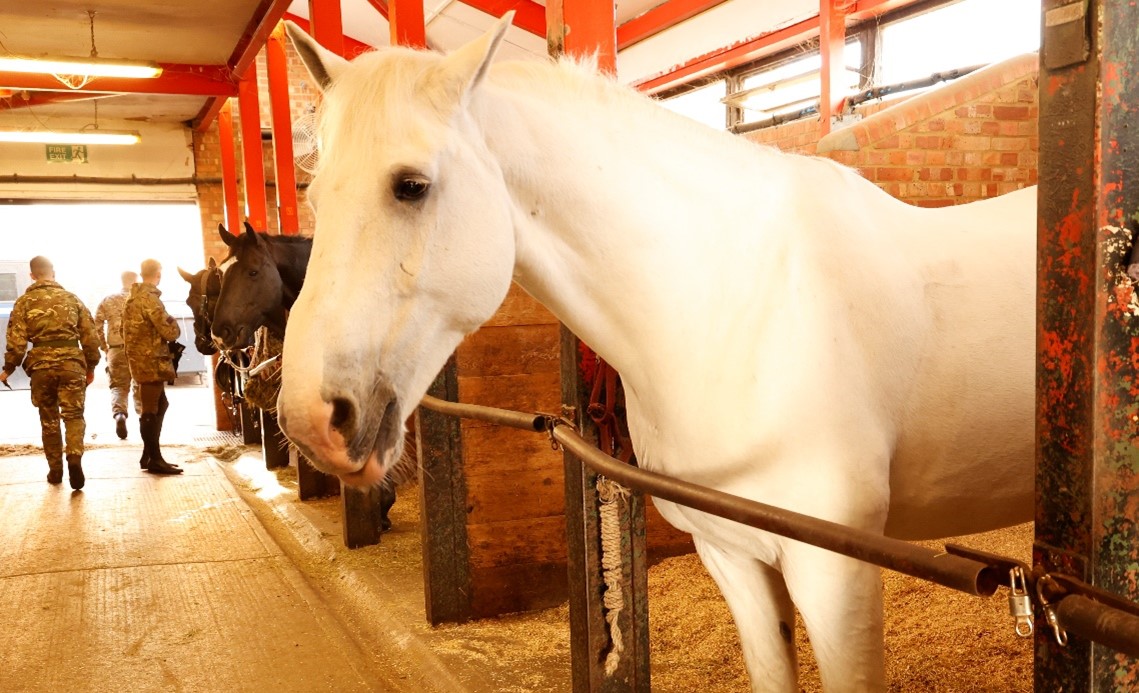
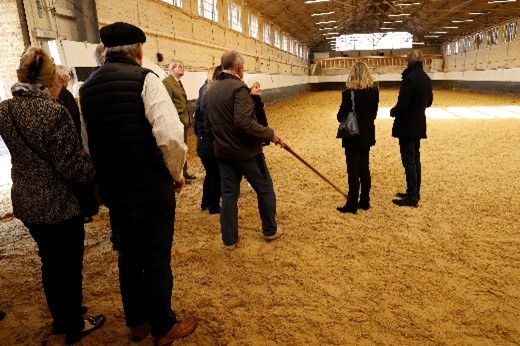
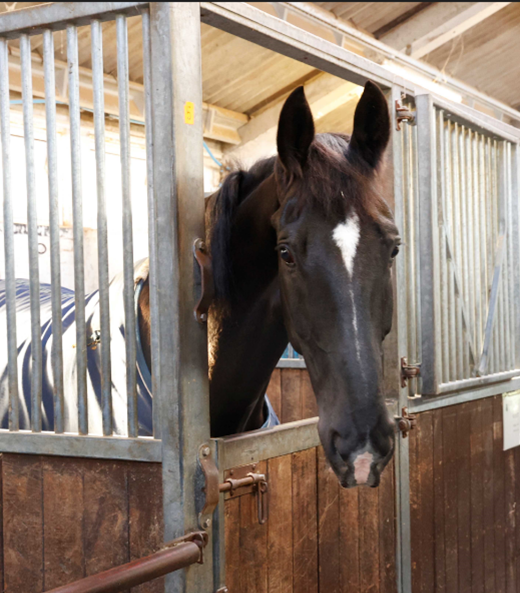
On 14 November, a group of DVS members enjoyed a private tour of the Household Cavalry Museum and Archive at Combermere Barracks, Windsor. Historically the home of the Household Cavalry, the barracks are currently occupied by the 1st Battalion Welsh Guards.
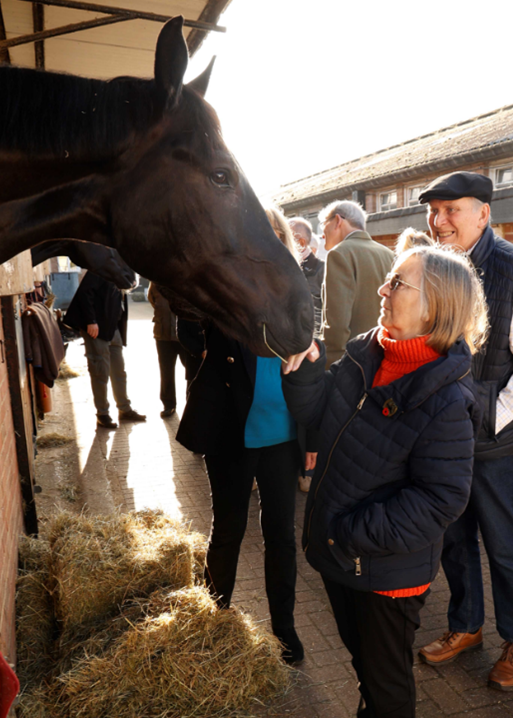
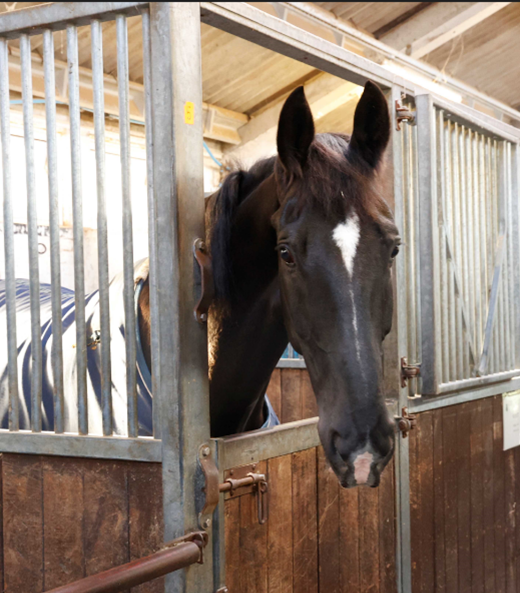
We were shown around the stables in the Training Wing and visited the indoor arena (pictured top left), the oldest remaining part of the Victorian Barracks. As we walked around, we chatted with soldiers who were grooming their horses and the farrier who demonstrated how he shoed them. (It didn’t take the horses long to work out which of us had Polo mints!)
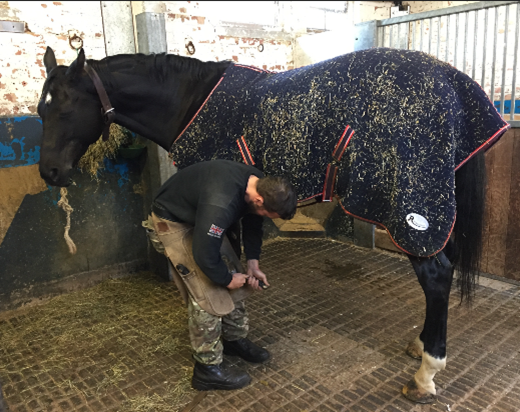
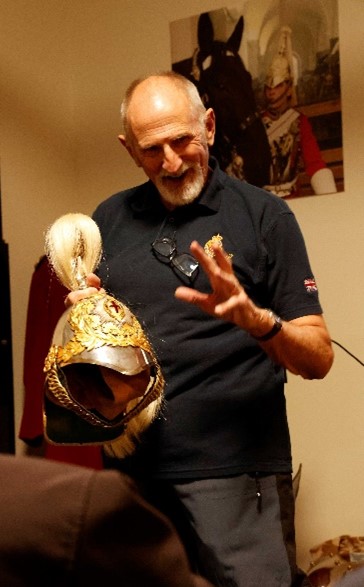
After the tour, we enjoyed a presentation by two former soldiers about the history of the Household Cavalry which comprises the two most senior regiments of the British Army: The Life Guards and The Blues and Royals, the latter being an amalgamation of the Royal Horse Guards, “The Blues”, and the 1st Royal Dragoons, “The Royals”, both dating from the 1600s.
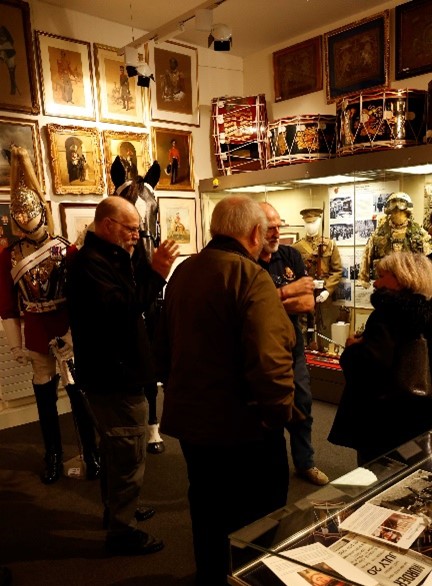
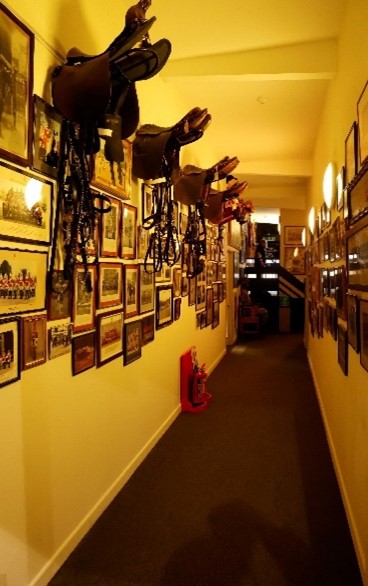
We also had the opportunity to handle weaponry and equipment, body armour and ceremonial uniform. Then, after browsing around the museum, we headed to the Cook House to join the soldiers for a hearty lunch.
On leaving, we noticed a willow tree in the car park. A plaque explained that it was descended from a cutting taken from a shattered stump in Flanders at the end of WWI. It was the only living thing in an area of complete devastation, on a position held by C Squadron 1st Life Guards in 1914. It was presented to the Barracks in 1983.
20 SEPTEMBER 2024: VISIT TO ANKERWYCKE
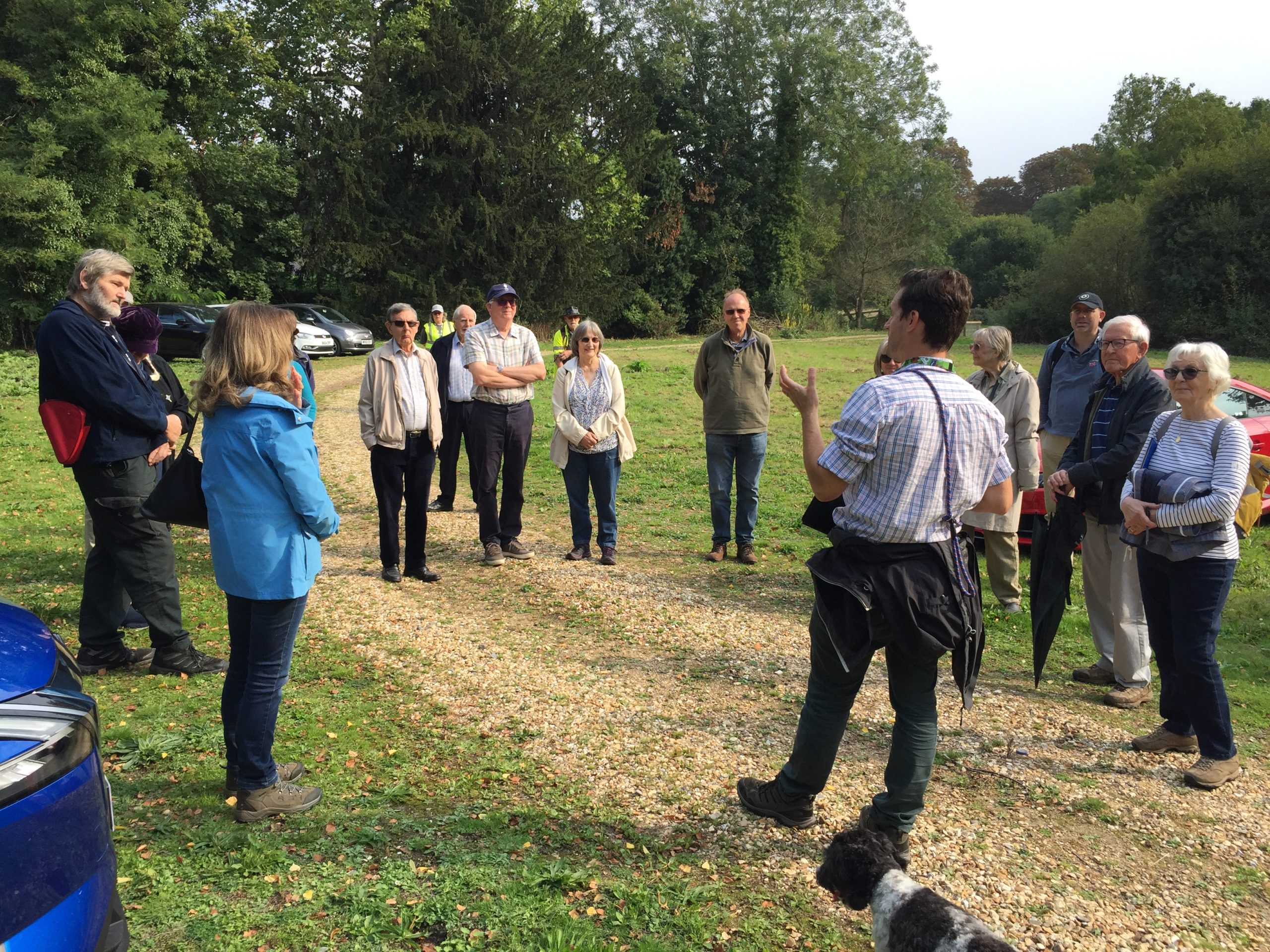
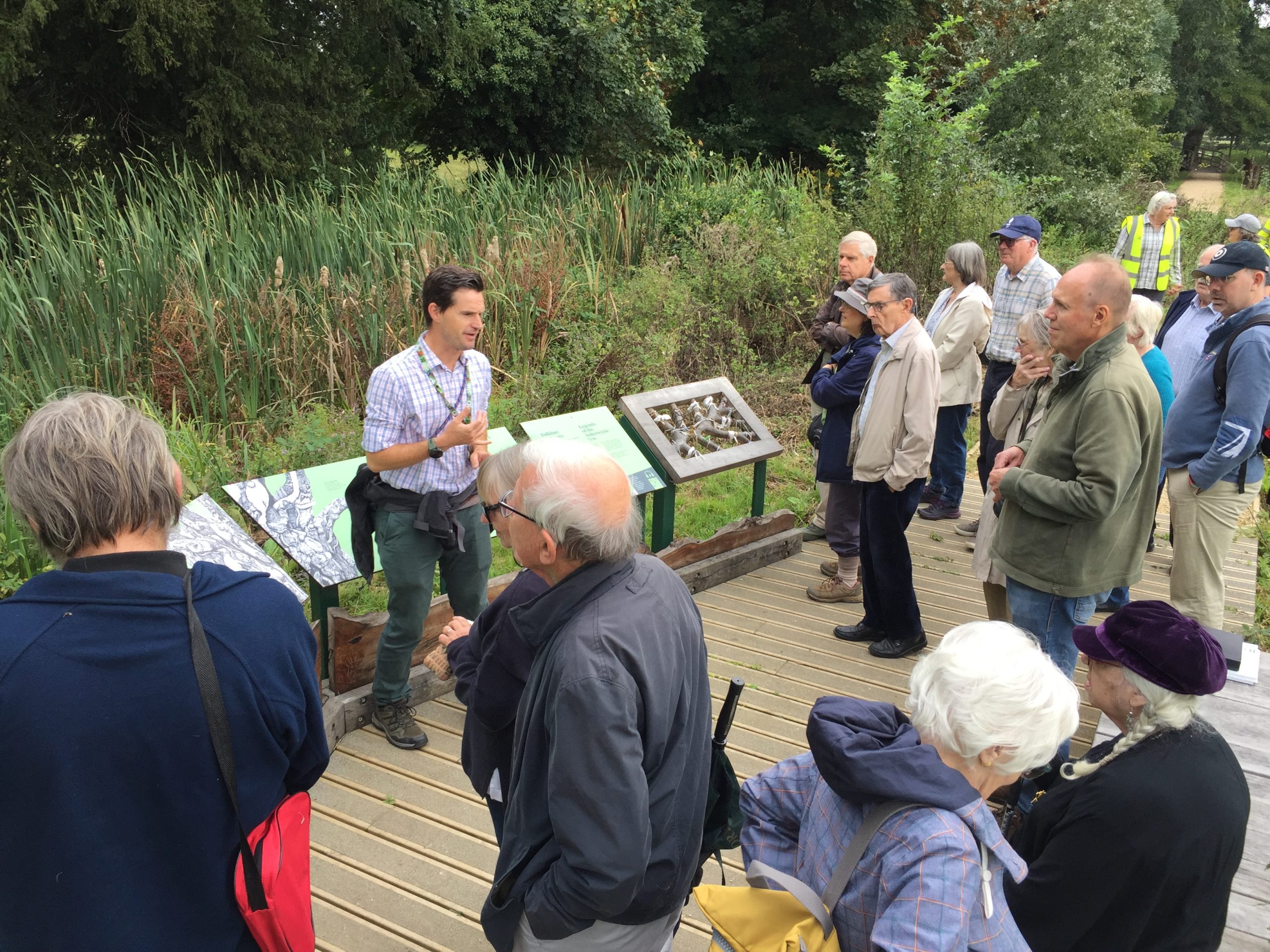
Nineteen DVS members enjoyed a fascinating guided tour of Ankerwycke in September with James Brown, regional archaeologist for the National Trust, and his dog, Toby. (If you’re a regular viewer of Digging For Britain, you’ll know that the programme joined James and his team, during one of their recent excavations here.)
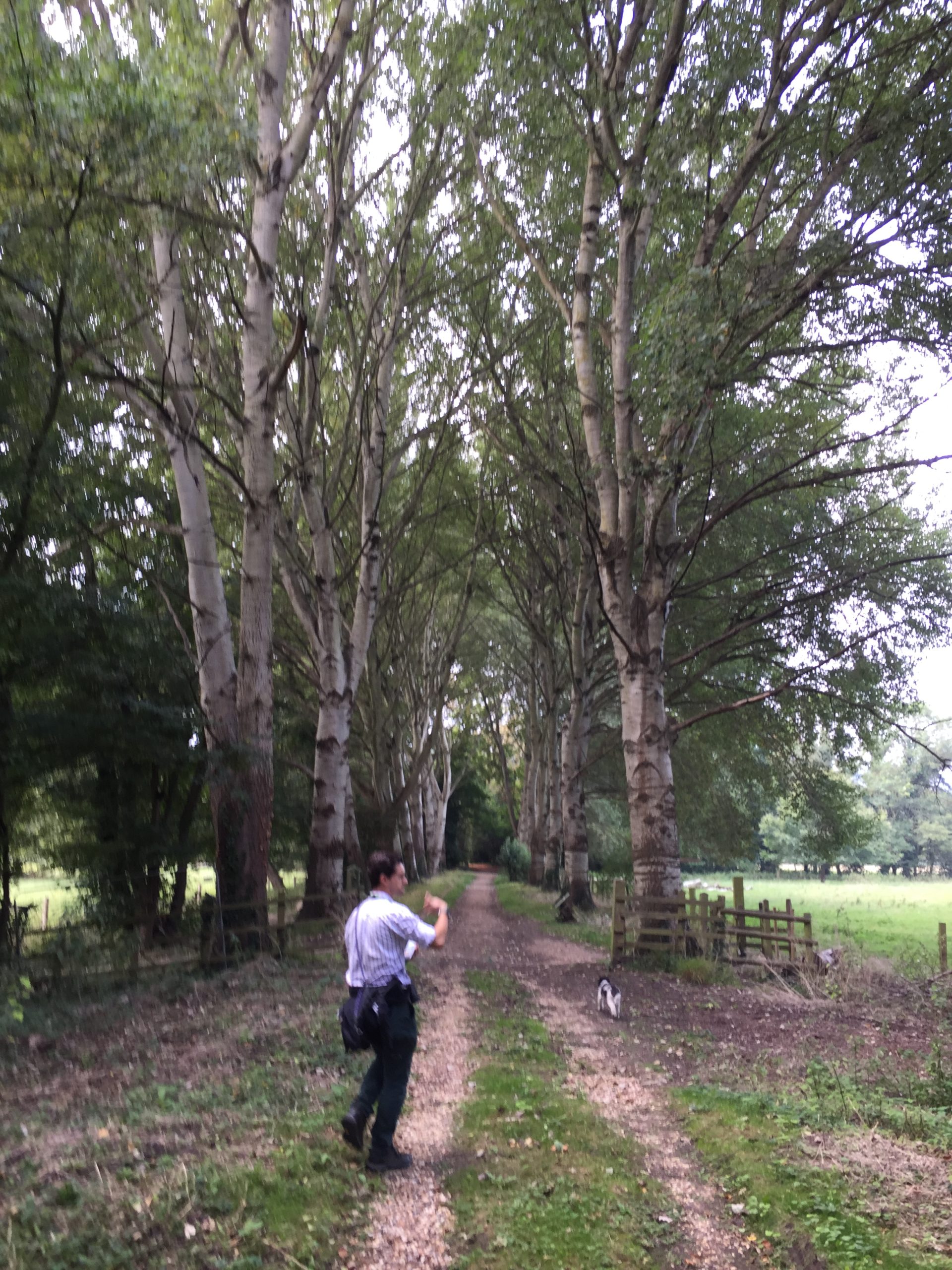
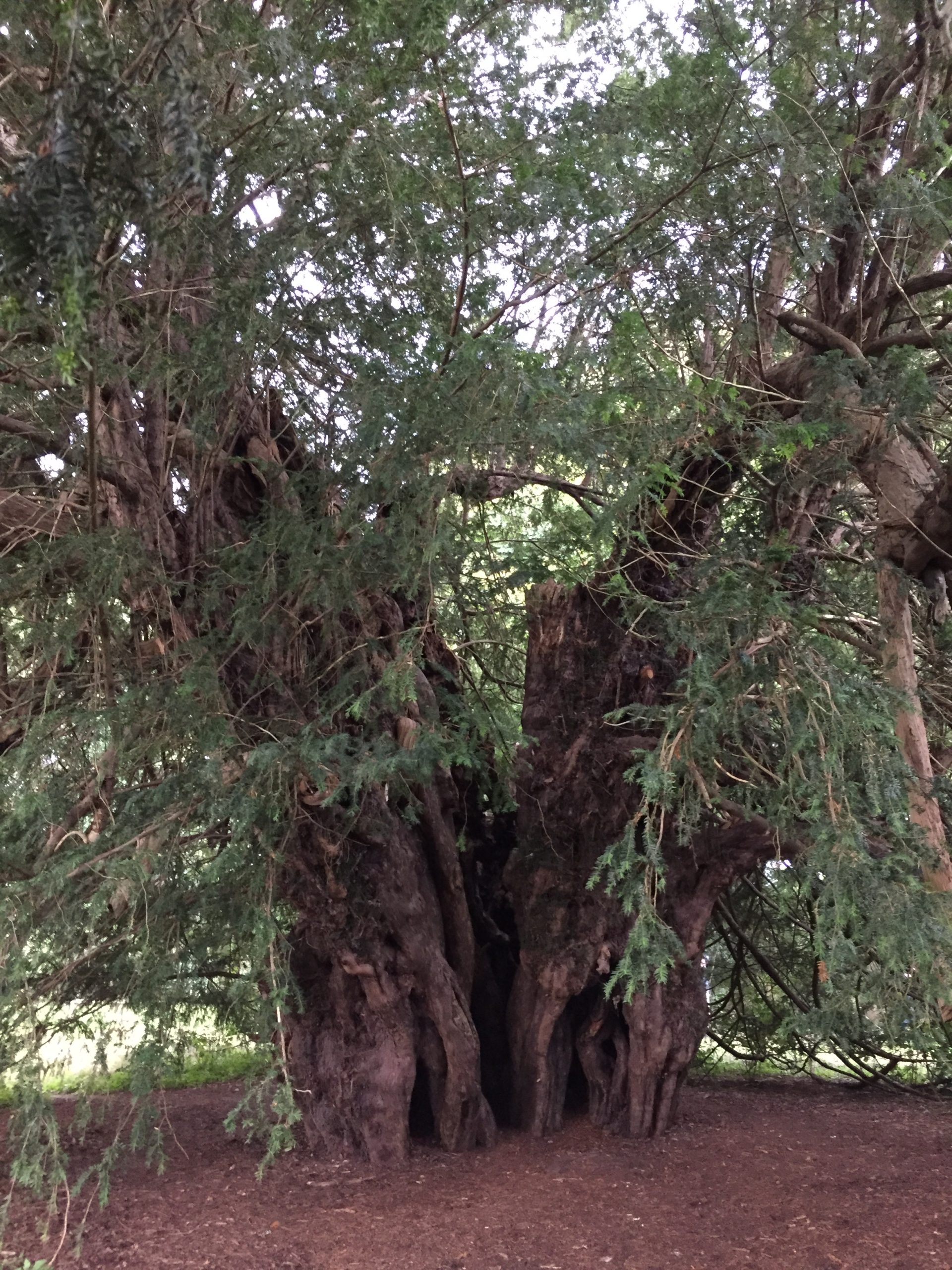
We were allowed to use a private entrance and parked at what was once the Georgian manor house. From there, we walked along the avenue of black poplars, part of the mansion’s original pleasure grounds, to see the famous 2000-year-old yew and priory ruins.
A lot has changed since DVS last visited in 2015. There are now interpretation panels, with QR codes to find out more, and a seating area from which to view the famous ancient yew.
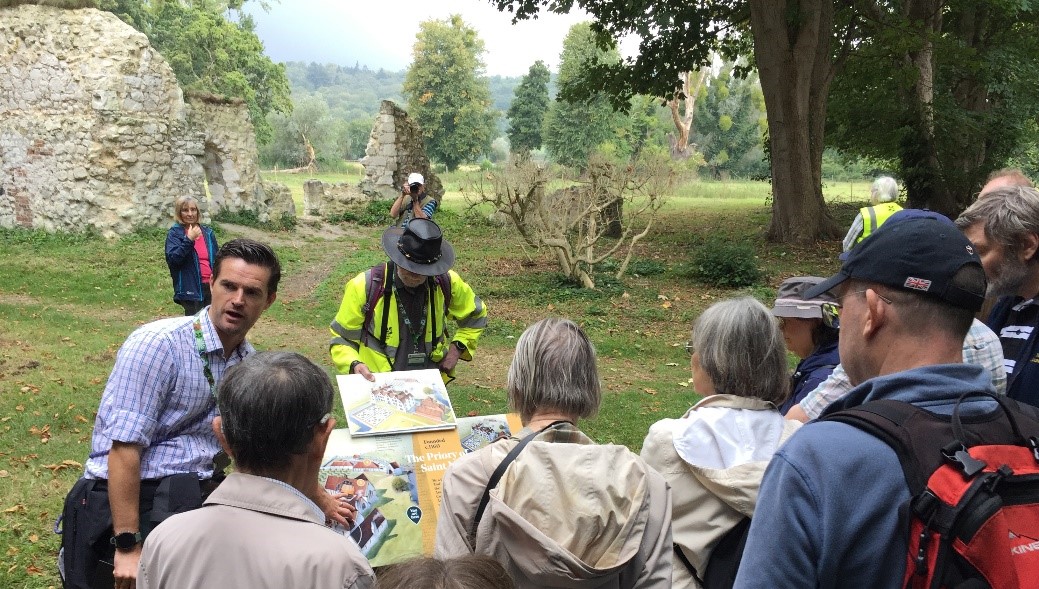
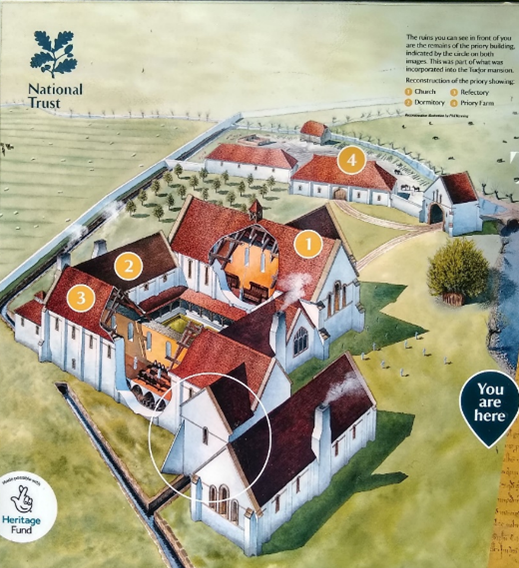
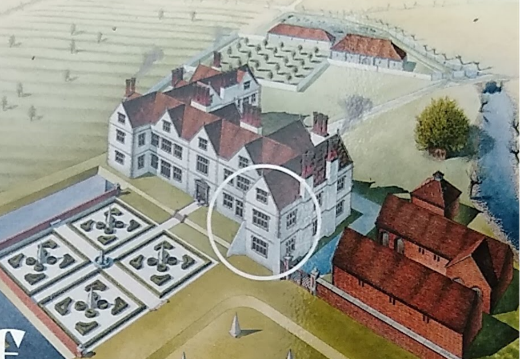
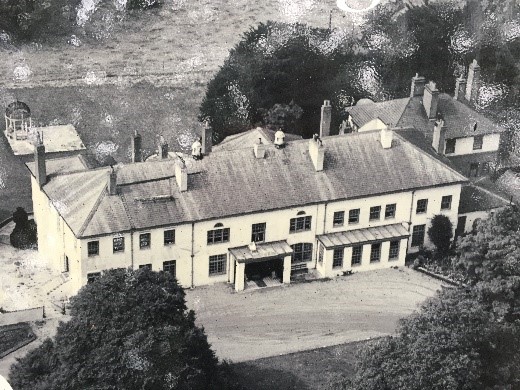
Above from left to right: James and DVS members at the priory ruins; The National Trust interpretation panels show how the Priory of St Mary Magdalene might have looked, based on the recent archaeological discoveries; The Tudor mansion (Part of the priory building indicated by the circle on both images is incorporated into the Tudor mansion); The Georgian mansion
The island of Ankerwycke is a secluded place surrounded by water channels and the Thames. Its name, Old English for the home of an anchorite (a Christian holy woman or man who lived a reclusive life) speaks to a long association with Christian activity beside the river.
The Benedictine nunnery, the Priory of St Mary Magdalene, was founded in 1160. There were fewer than 10 nuns, but the priory eventually owned more than 680 acres of land.
The recent archaeological digs have revealed a lot more about the site. James showed us where they had dug trenches and had uncovered the cloister walls of the priory, fallen clay roof tiles, a flagstone walkway and steps to a basement, which enabled them to draw a much more precise image of the original building.
The priory was closed in 1536, during the Reformation, and in 1551 Henry VIII’s son, Edward VI, gave it to his secretary of State, Sir Thomas Smith who built an imposing brick and stone Tudor mansion, which once hosted Queen Elizabeth I, next to the partially demolished priory. He included the walls of the priory’s refectory as part of his house. In 1804, John Blagrove, a sugar plantation owner from Jamaica bought Ankerwycke and its estate. He demolished the Tudor house and built a modern Georgian mansion further away from the river. This was repurposed in the 1930s as the Santa Monica Nightclub, a haunt for movie stars. It burned down in 1962.
29 FEBRUARY 2024: Holy Trinity Parish & Garrison Church, Windsor

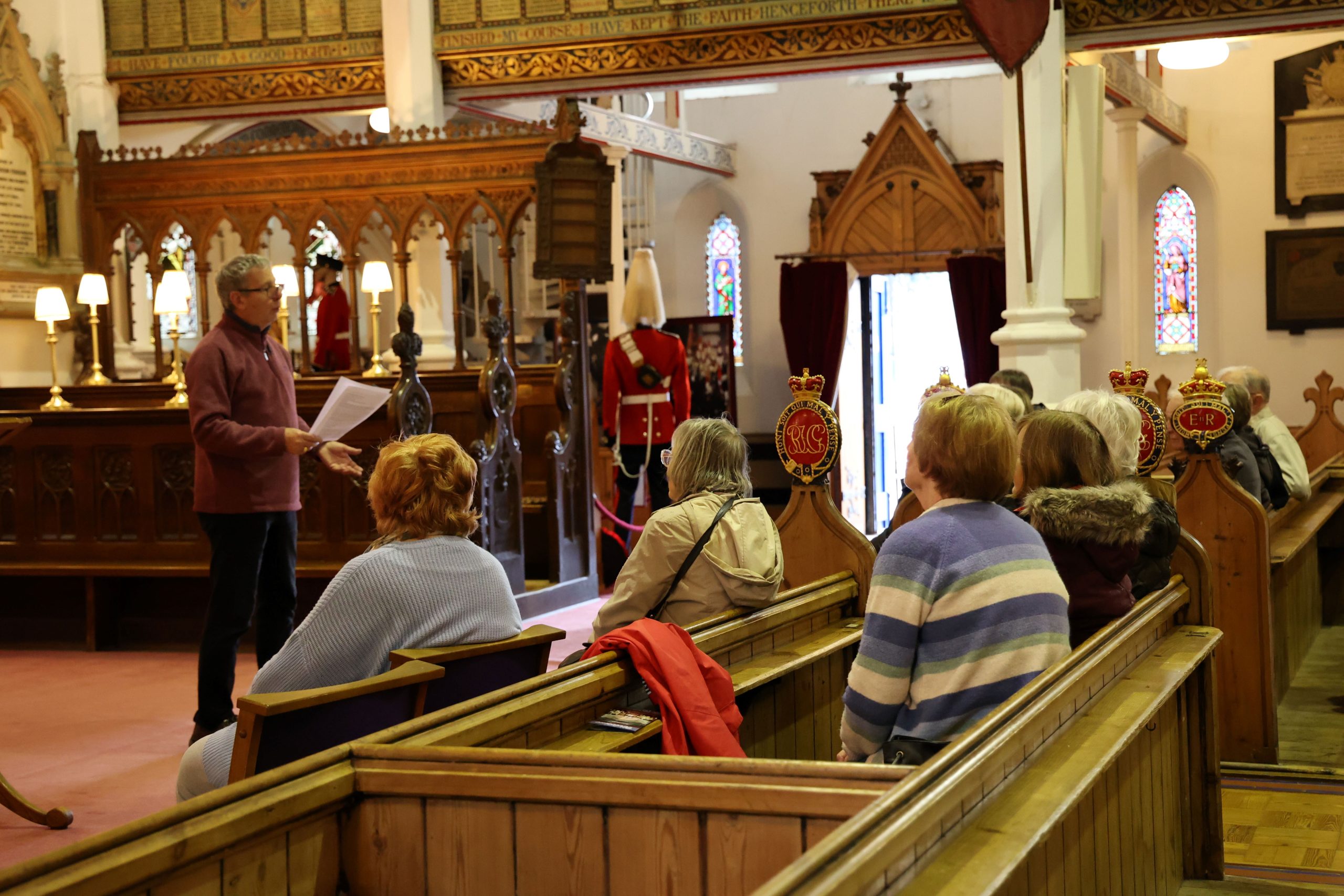

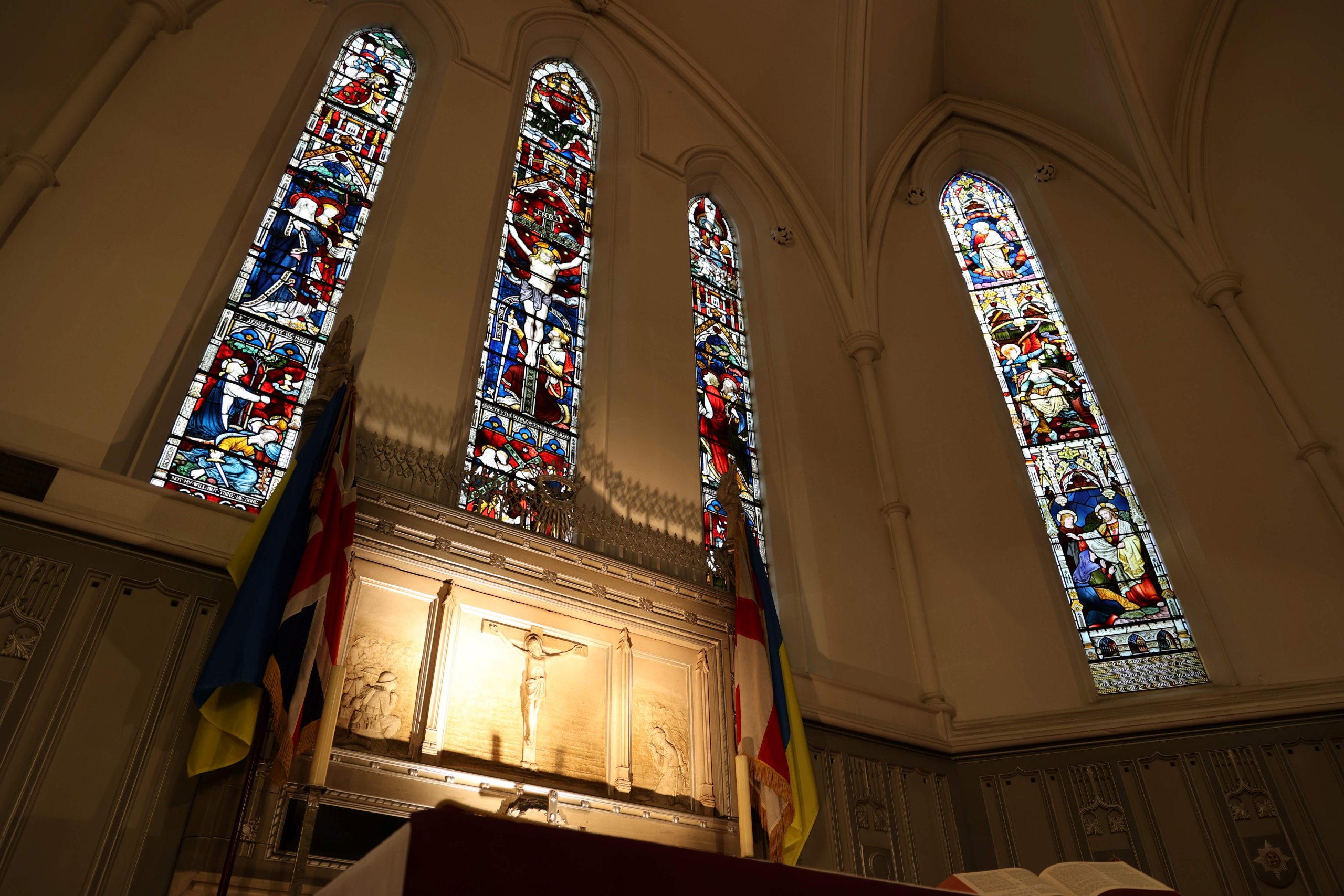
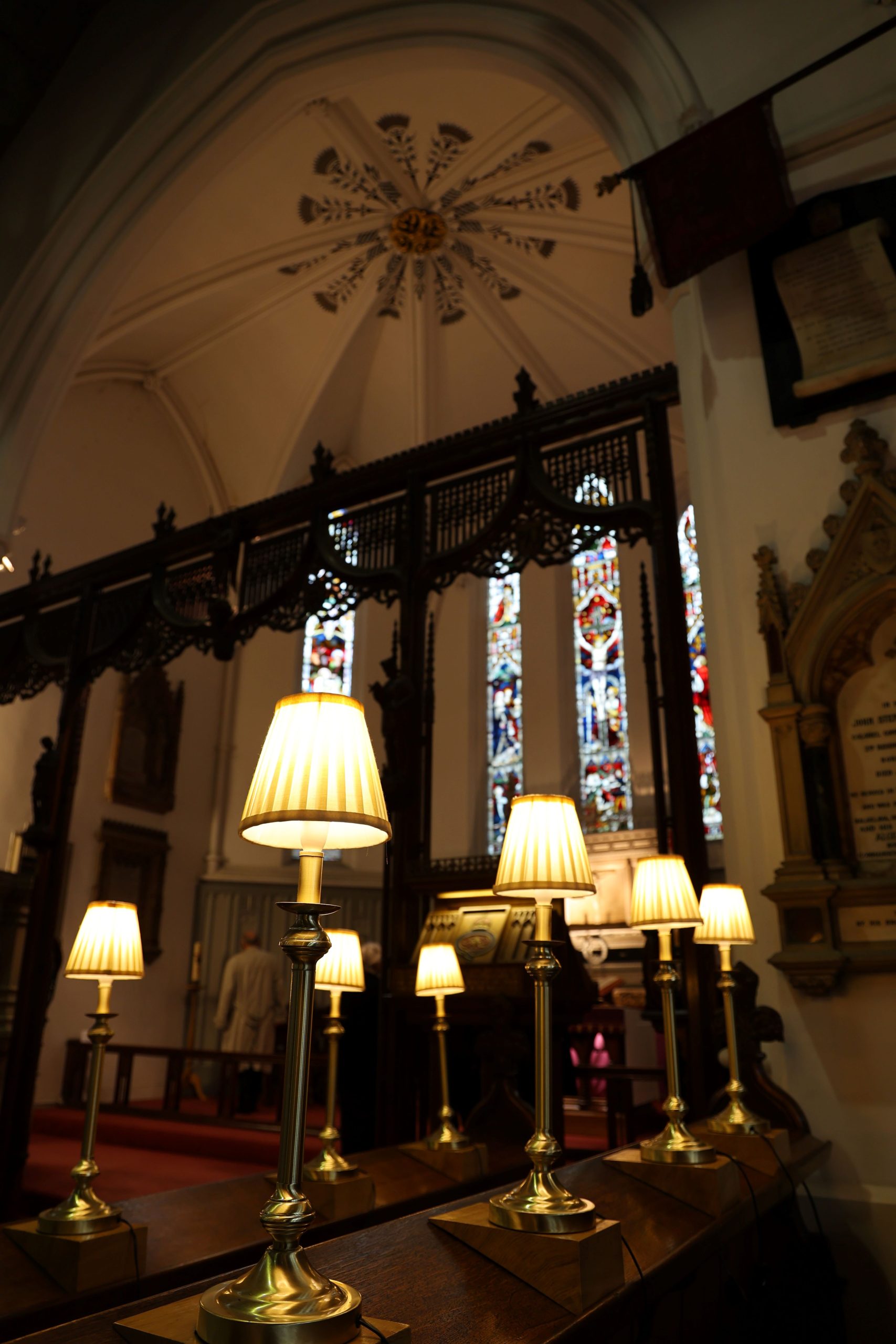
In February, DVS arranged a special visit for members to Holy Trinity Parish and Garrison Church in Claremont Road, Windsor. Holy Trinity is thought to be the only church in the country functioning as a parish church which is also used by the army chaplains for services. It was founded with a gift of 200 guineas from Queen Victoria who wanted it to be built for the spiritual welfare of her troops garrisoned at Combermere and Victoria Barracks, and for the growing population of Windsor, particularly the poor who lived in the slums by the river, since replaced by Alexandra Gardens.
The building was designed by Edward Blore (perhaps best known for his work on Buckingham Palace) with involvement from Prince Albert. Further financial contributions from the Duke and Duchess of Kent, Eton College, St George’s Chapel and Prince Albert allowed the construction of the Church to begin in 1842.
-
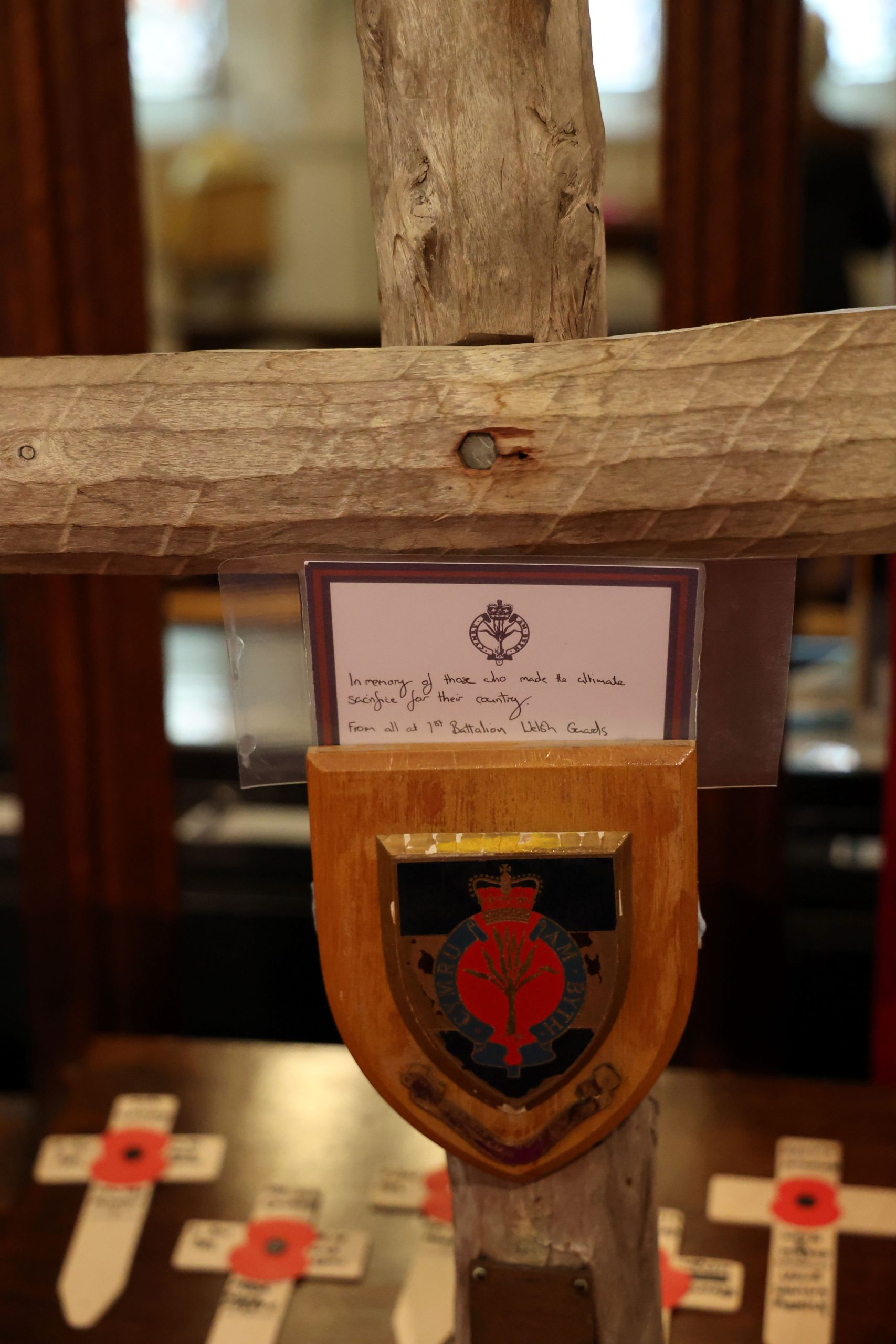
- The Rugged Cross
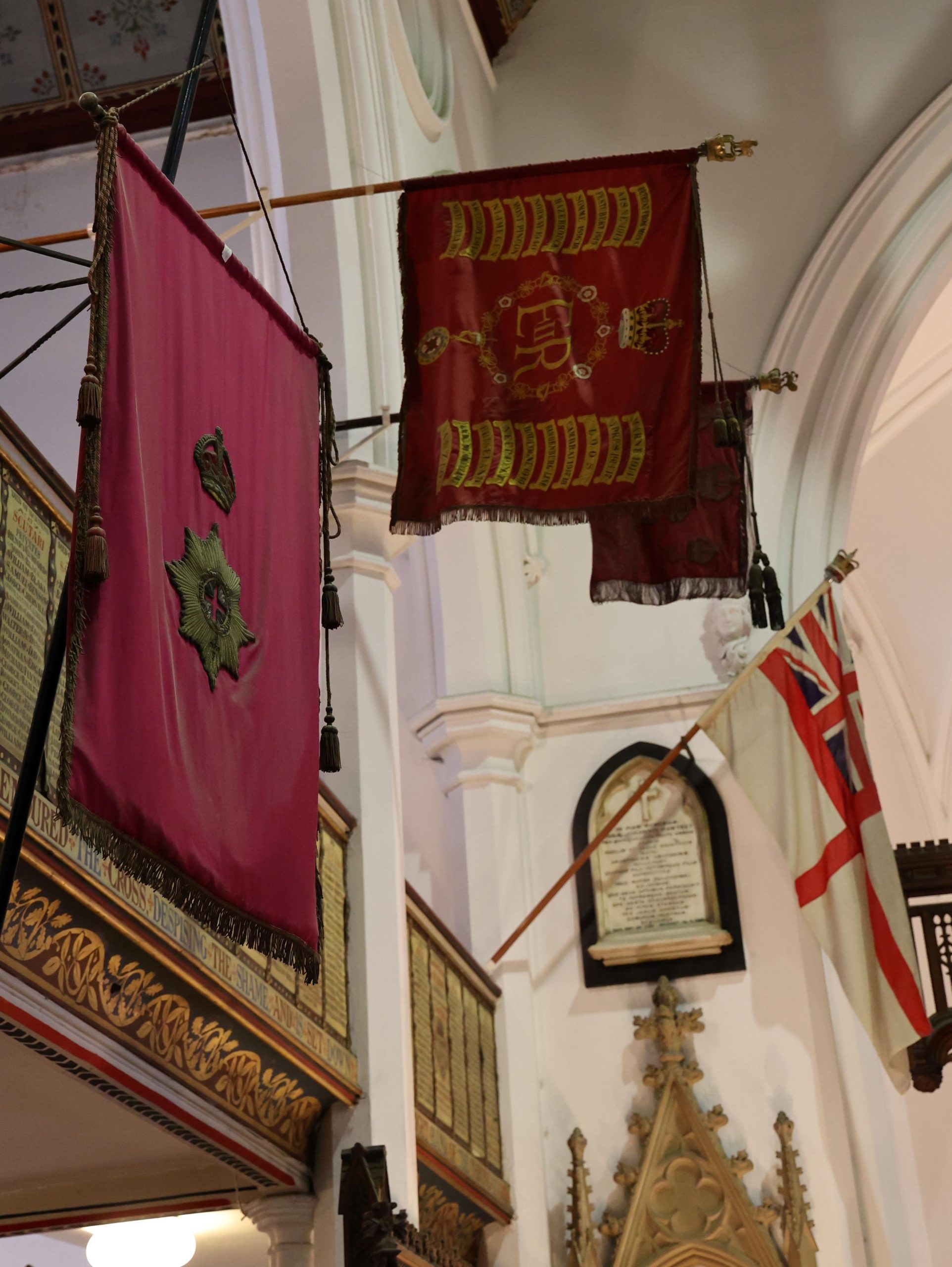
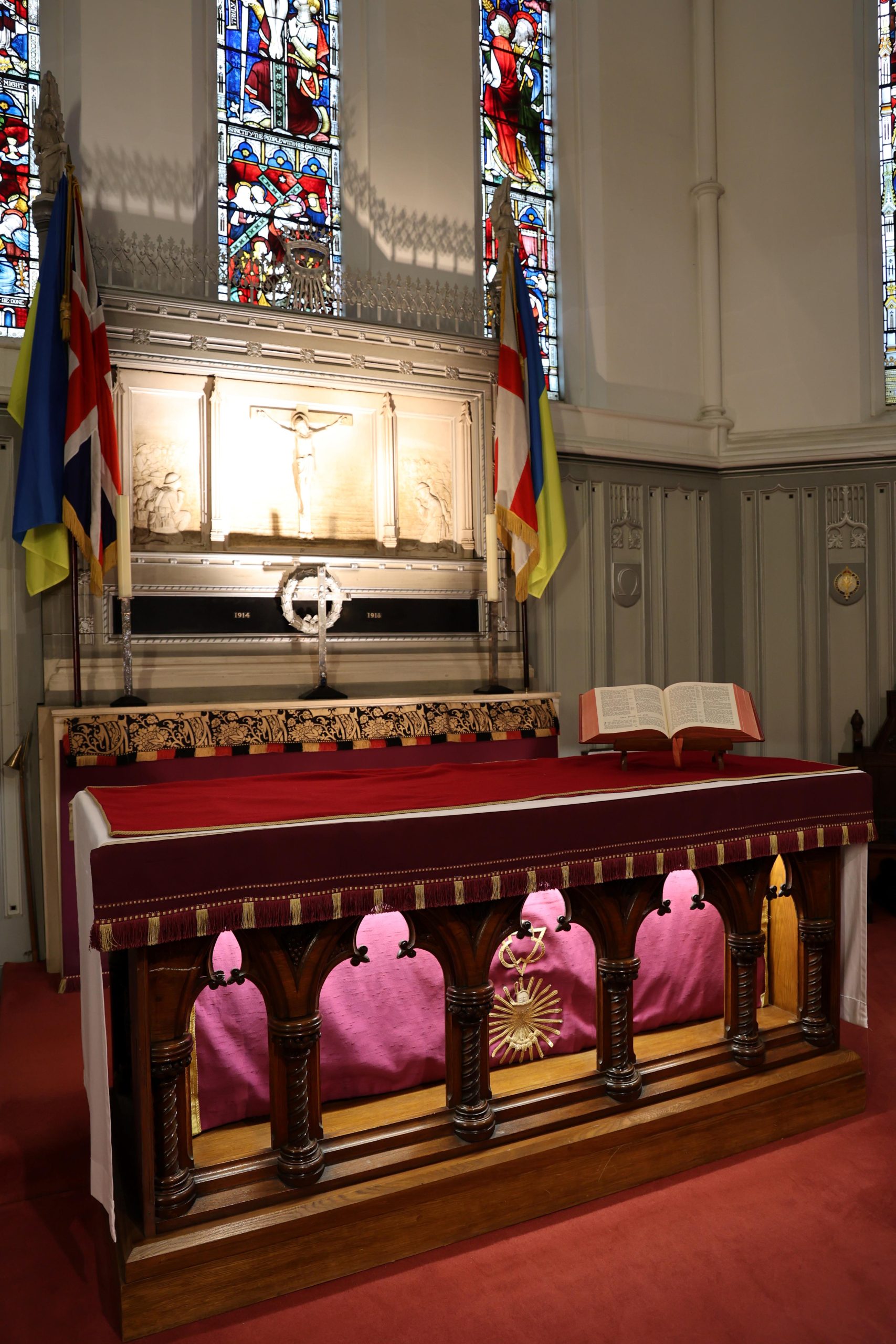
The church is important for its royal and military heritage. It houses many significant military memorials, and the Deliverance Window gives thanks for the deliverance of Queen Victoria from an assassination attempt in 1882 in Windsor. Edward VII would also frequently attend services here and, most recently, Princes William and Harry and the Princess Royal have worshipped here at army services.
Also at the church is the temporary Regimental Memorial Cross which was erected by members of the 1st Battalion Welsh Guards in June 1982 at Fitzroy Cove, Falkland Islands, in memory of the 38 Welsh Guardsmen and attached soldiers who died as a result of the Sir Galahad incident on 8 June 1982.
One of Datchet’s WWI soldiers, Christopher Nichols, the village bobby, is remembered in the roll of honour here.


