

WHAT NEXT?
The DVS Committee is always on the lookout for ideas for talks, visits and events. If you have any suggestions, know of a good speaker or an interesting venue, or if you’d like us to repeat something you missed, please get in touch.
AGM: A HISTORY OF ETON COLLEGE THROUGH THE ARCHIVES
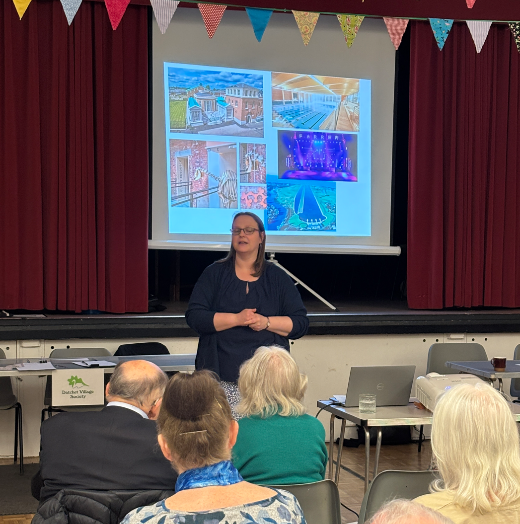
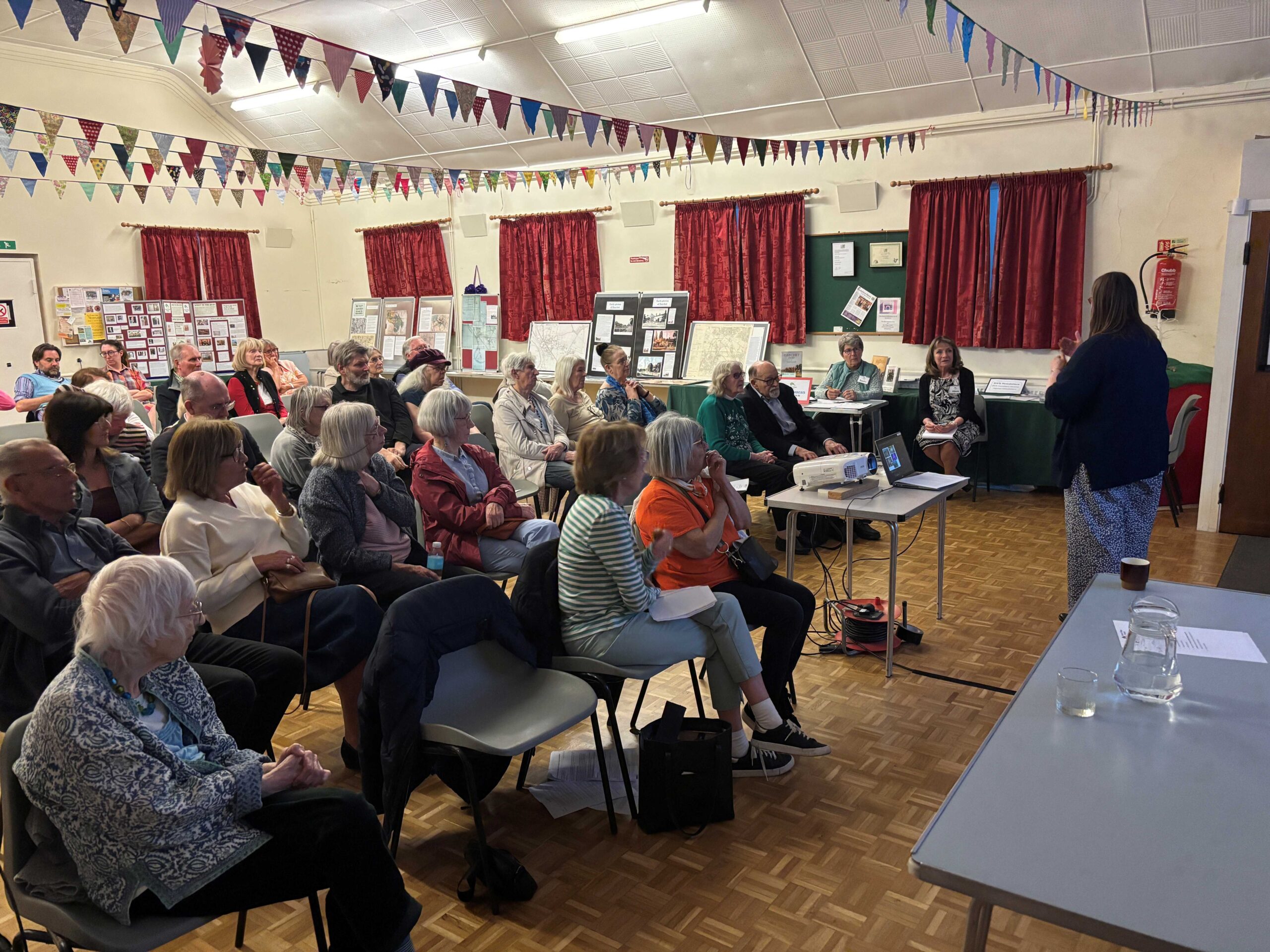
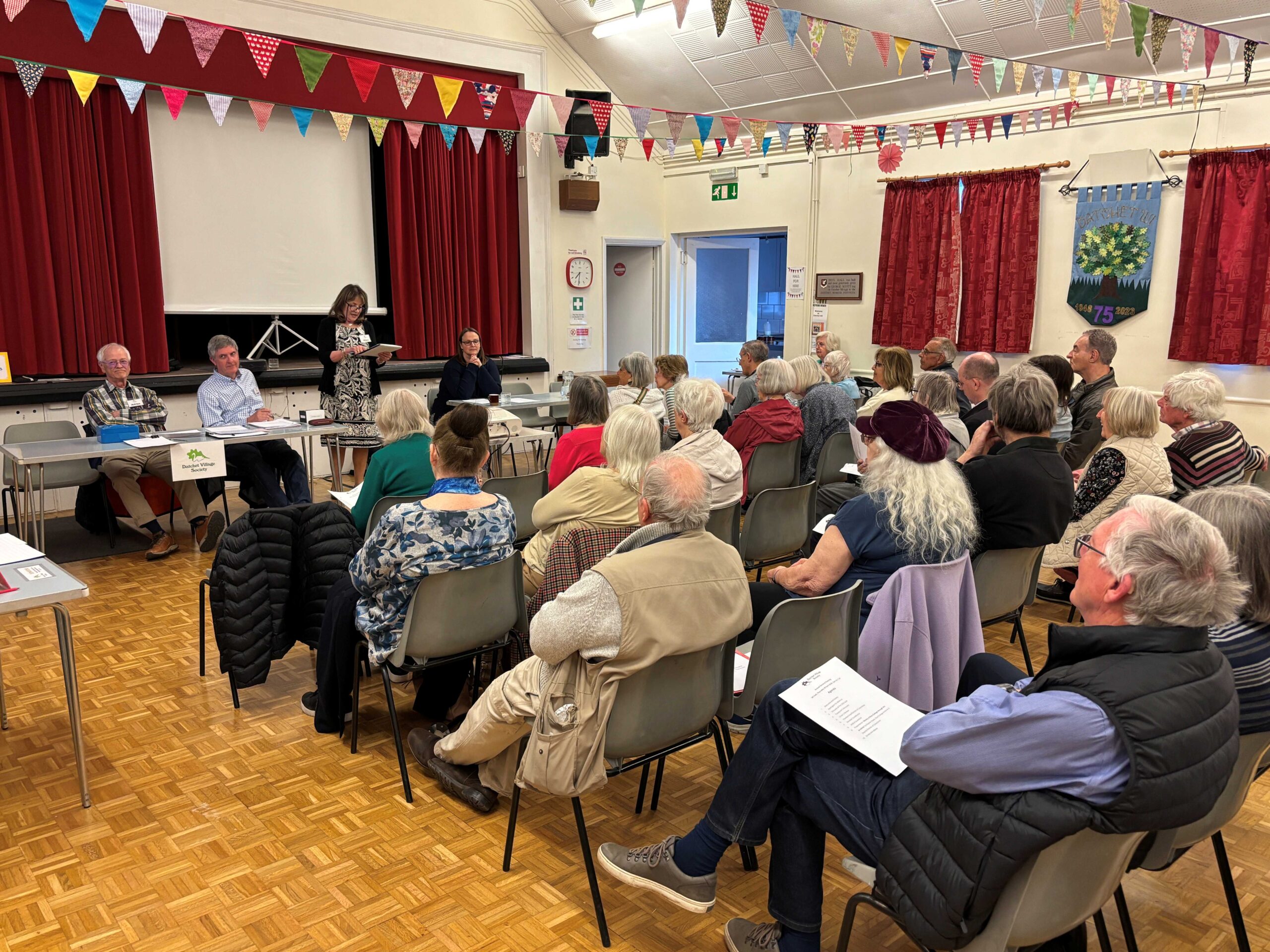
Thank you to everyone who joined us for the DVS AGM 2026 on 30 April. Our guest speaker, Eleanor Hoare, Eton College Archivist and Deputy Director of Collections, enthralled us with a talk about Eton’s history as revealed in the College archives, and its connections with Datchet.
There are now 1400 boys at Eton but we were surprised to learn there was no centralised student information until 50 years ago. Earlier records were concerned mainly with the estate and income derived from the land. Eleanor explained how these documents inform their understanding of College history. She showed us one of the Clerk of Works’ journals from 1441, the year after Henry VI founded the college. It included details of everyone who worked on building the Chapel and College Hall that year: name, profession, days worked, wages, and the cost of materials. These records reveal how the College developed: for example, the first Chapel was pulled down, after seven years of building, and made bigger in 1448.
Much can be discovered from the peripheral detail in each document, too. One of the earliest estate records, from 1091, was witnessed by William Rufus, son of William the Conqueror, who signed it with an X indicating that he couldn’t write. The way it was written also showed he wasn’t used to holding a quill pen. The bishops, who countersigned, would have been able to write but, in deference, they also signed with an X.
Information in some records is incidental, for example, the College’s lease of land to Robert Barker (1568-1645), royal printer and Datchet resident, includes records of land in Datchet dating back to 1296.
There were also personal items in the archive such as “The Book of Lionel George Archer Cust”, one of the pupils, written by his mother, Sybil Littleton. (The family lived at Datchet House. His father, Lionel Cust, designed the war memorial on The Green.) Sybil illustrated the book, too, including a drawing of a cauliflower said to have been prodded by the King on his visit in 1919 to Mr Ward’s house, one of the allotment cottages in Ditton Road!
One of the more unusual requests for information which Eleanor’s team had received, was about the history of dogs in the Eton College Hunt. They were able to help someone trace their dog’s genealogy through these records.
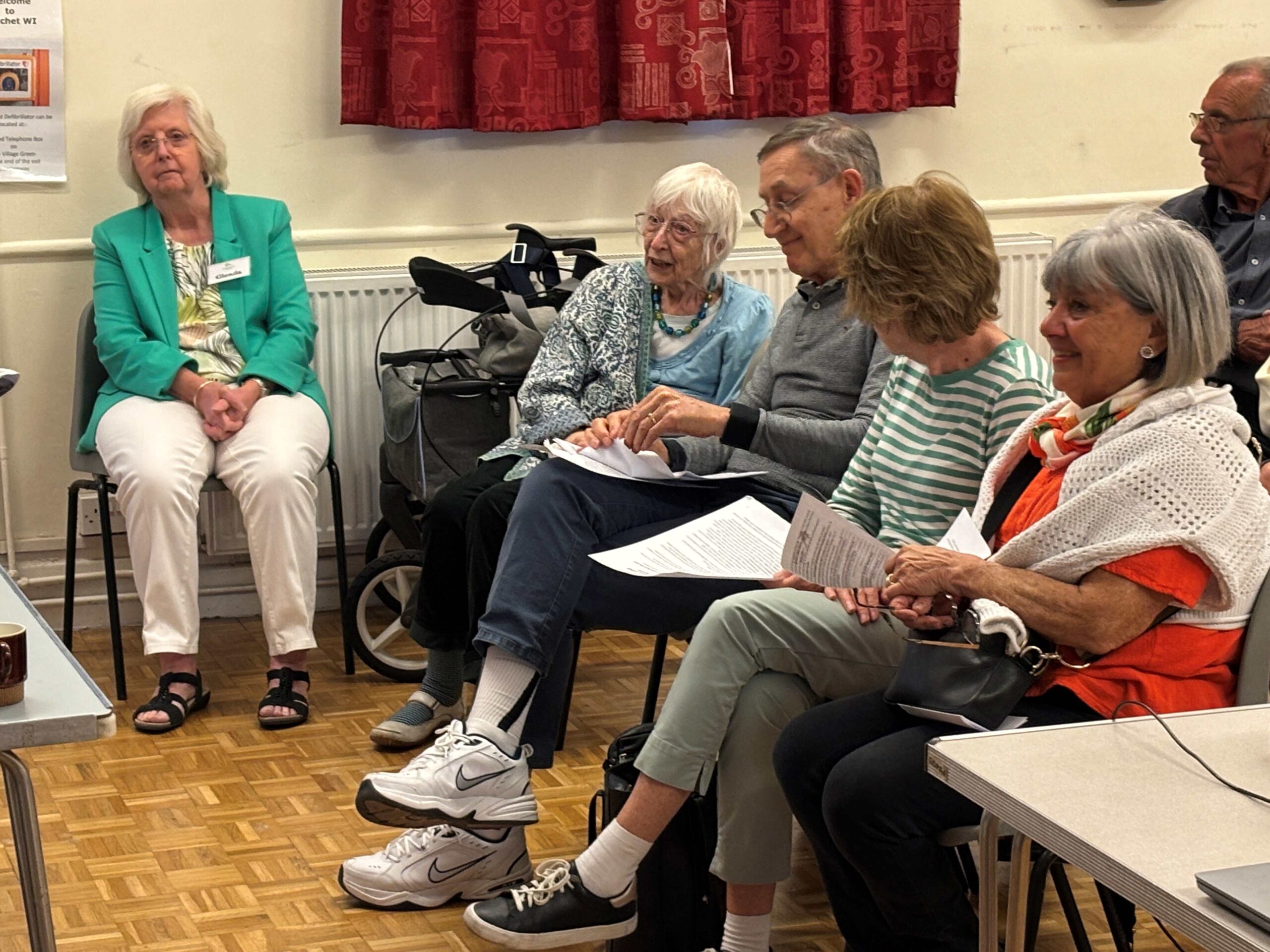
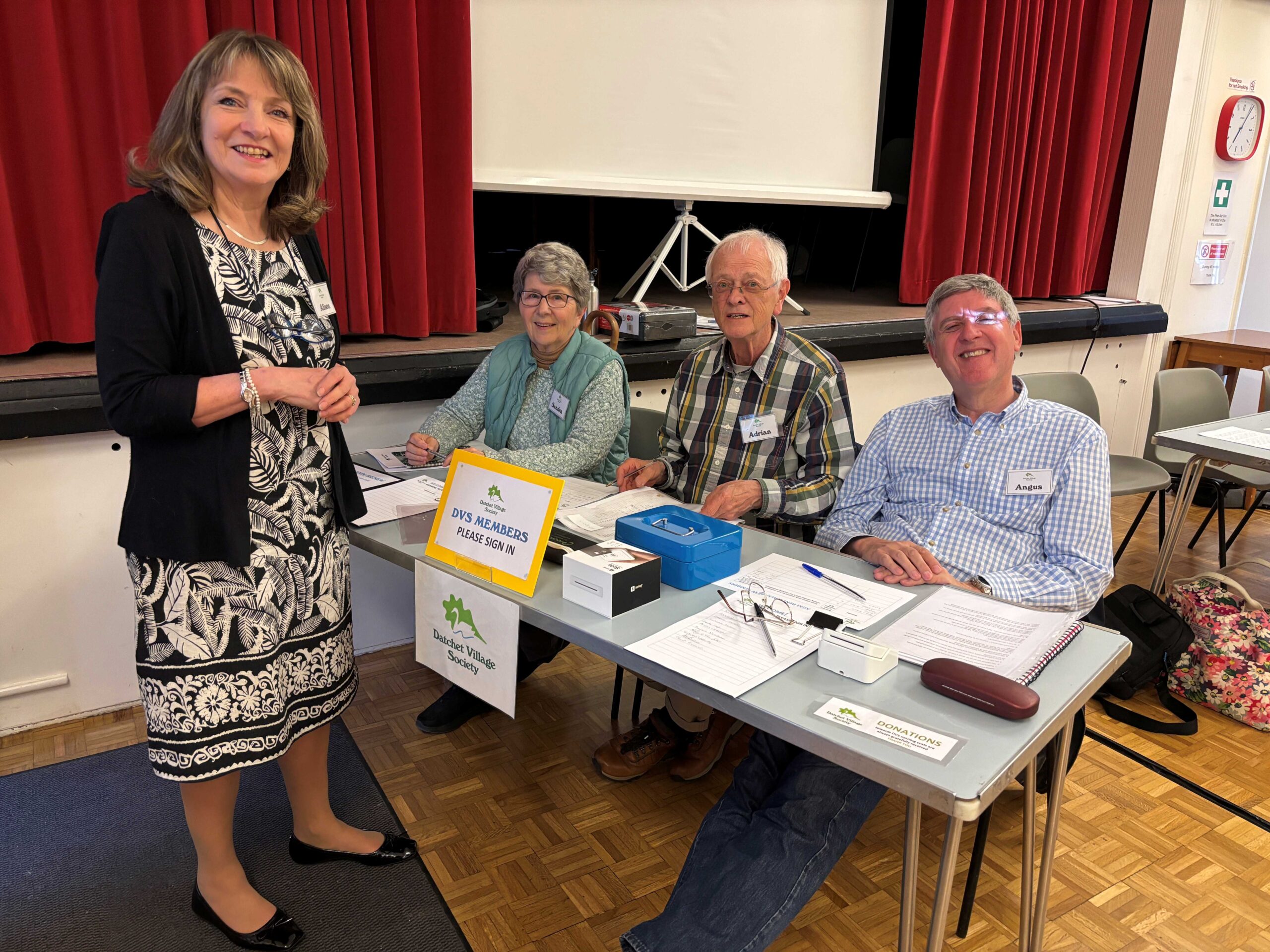
Janet Kennish, Datchet historian and president of DVS, above left, travelled from her home in Hove to join us for the AGM
DORNEYWOOD HOUSE AND GARDEN 29 June
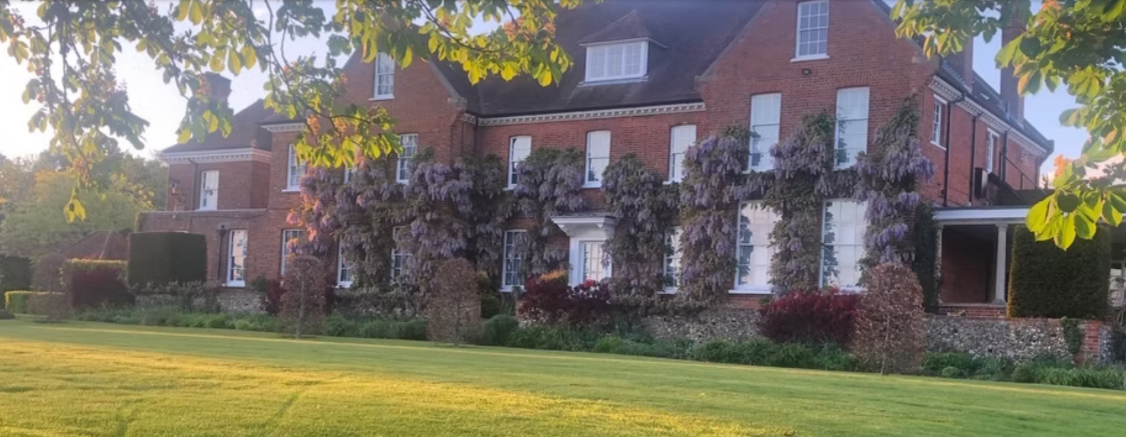
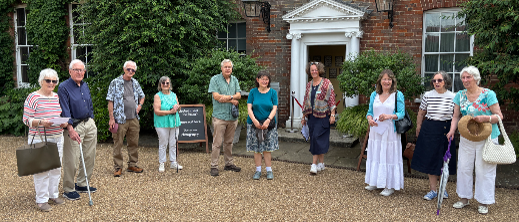
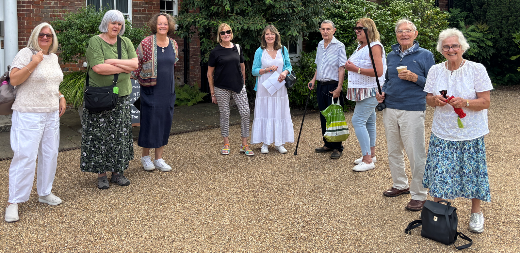
DVS has organised visits in the past to Dorney Court, owned by the Palmer family since 1624, so it seemed fitting that we should visit Dorneywood House and Garden, in Burnham, which was the upland farm belonging to Dorney Court. It proved to be extremely popular with DVS members.
The house is open to the public for two weeks each year and we’d managed to secure two time slots on 29 June 2026 exclusively for members. After our allotted 20 places were snapped up within 24 hours of sending out the invitation, the organisers kindly allowed us to expand our group size to 28 and then, when those places were full, to 30!
Our visit was delightfully relaxed and informal, and we had the house and garden to ourselves for most of the afternoon. The resident chef had baked cakes and scones for everyone to enjoy at the refreshments hut, with apple juice from the Dorneywood orchard.
WINDSOR MUSEUM AND GUILDHALL 1 October
DVS has arranged a special guided tour for up to 25 members which will take in the Museum and the Guildhall. Please note, there will be a small charge.